The Benjamin Franklin Effect
Theory 10/10, Liking someone can also be a consequence of kindness

You think we help people - only because we like them already?
Think again!
This psychological theory states that we may start liking someone after doing them a favour.
When we do a favour, we are more likely to start liking them - not less.
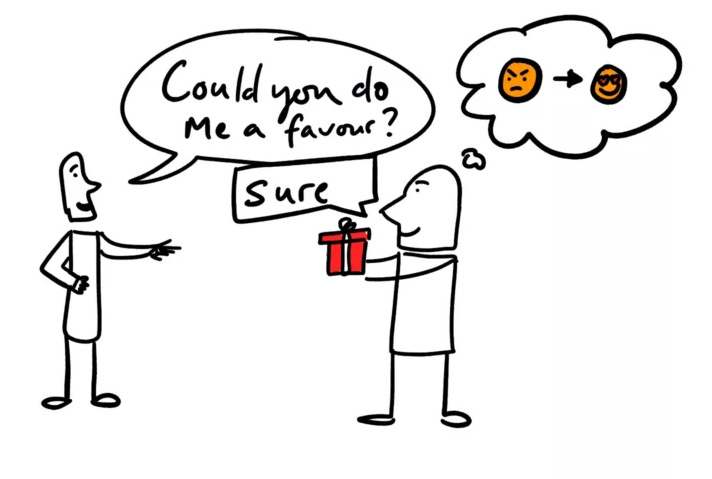
This theory actually came from Benjamin's own real life story.
Psychologically, this effect can be explained by the scientific term -
Cognitive Dissonance.
It basically means that our brain doesn't like it when we have conflicting beliefs.
So, the brain feels discomfort in such scenarios.
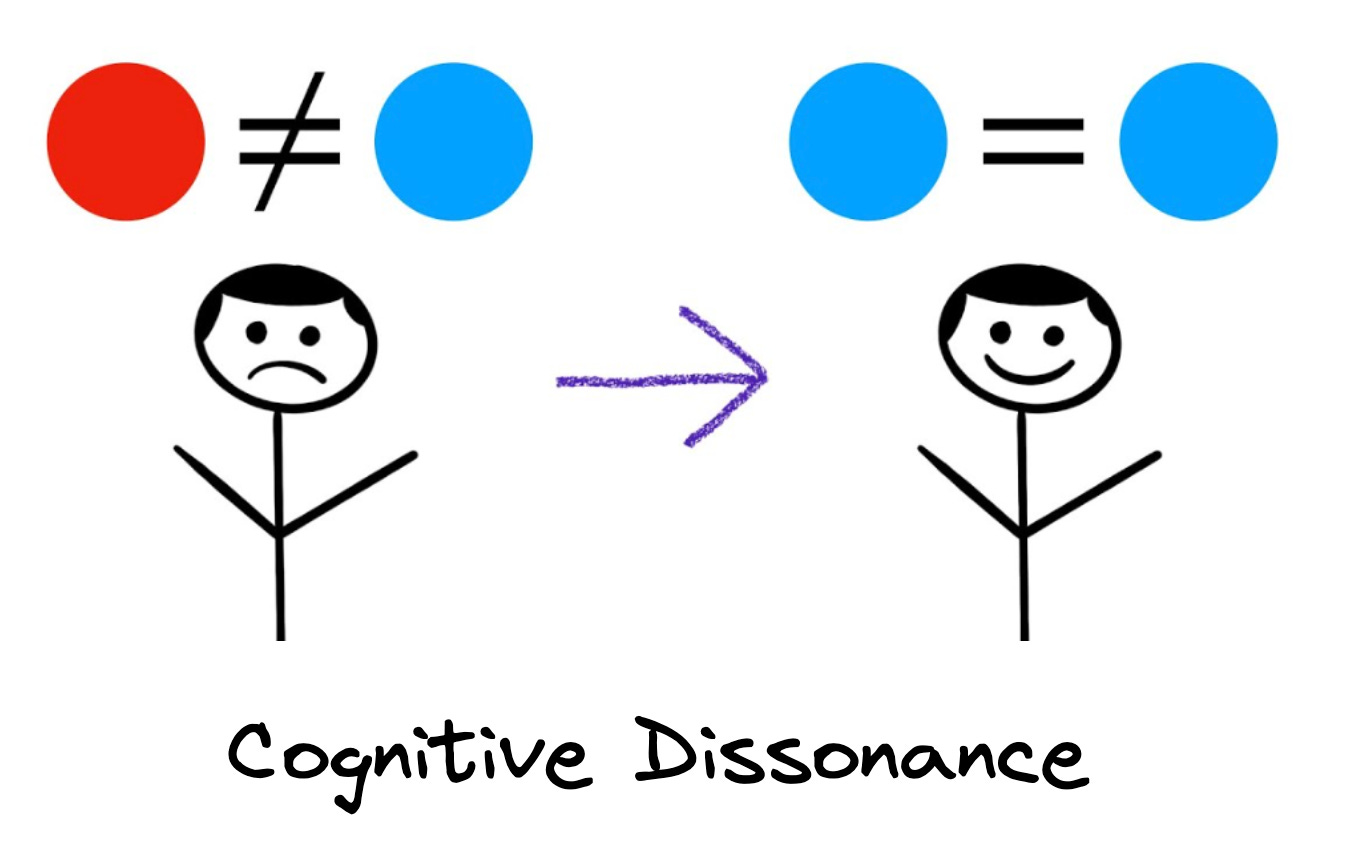
So what our brain does is:
When we do something nice for someone; our brain tries to understand why we did it!
“why did I help this person?”
“Maybe because this person is nice.., that's why I helped them”
So this way, our brain changes its belief, and then associates helping someone with already knowing/ liking them.
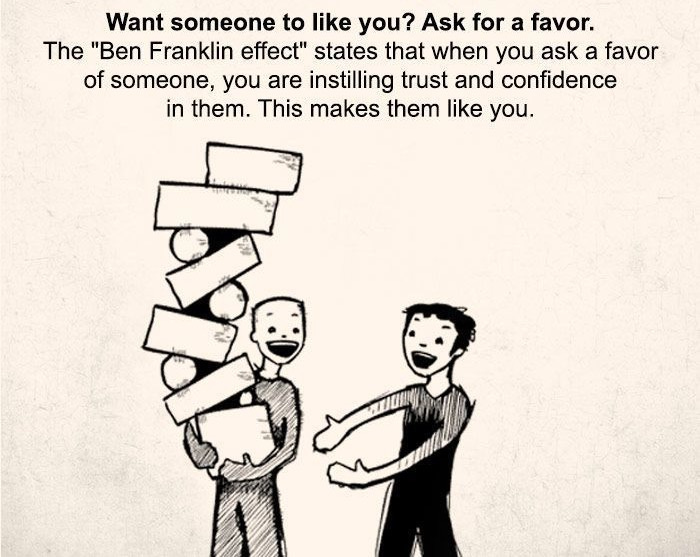
An easy everyday example could be:
When you give advice to someone, even though you don't know them, you start rooting for them!
It's like you invested time in that person, and they start seeming like someone important to you.
These acts of service are like psychological investments.
Effort and Investment creates attachment, so you convince yourself that the recipient of the favour is worthy of your help.
With this theory, my series of studying psychological effects that affect human behaviour comes to an end.
In the past 10 days, I have so effectively comprehended the behaviour pattern of my peers, my family, my idol and even myself.
I've also understood how our brain works in different situations, and why each and every one of us react differently in the same situation - when faced with one.
This was such an interesting series and I would like to explore more such subjects to study on and share with my readers!
See you in the next one ❤︎