
The Pratfall Effect
Theory 5/10, A mistake by mankind - giant faith in humanity

Pratfall Effect is a phenomenon in social psychology discovered by Elliot Aronson in 1966.
When a highly competent person known for their capabilities, makes a mistake, they become more likeable.
Whereas if the same mistake is made by an average person with lesser capabilities, they become less likeable.
This happens because - a mistake is seen as human and perfectionism as alienating.
Flawless people generally feel out of touch, distant and unapproachable. So it builds trust when an impressive - capable person makes a mistake or has a flaw, it makes people feel safer and reduces space for envy.

But remember, this condition is only favourable in these conditions:
The person making the mistake is seen as a competent person
They make a harmless minor mistake, because a serious failure destroys credibility
The mistake is accidental, a deliberate one looks incompetent
We are not wired to trust perfection.
We are humans after all, we are not perfect.
You must have noticed how the leaders who accept their mistakes are trusted and loved more.
In marketing as well, when brands acknowledge their flaws honestly, they gain trust and loyalty from the audience.
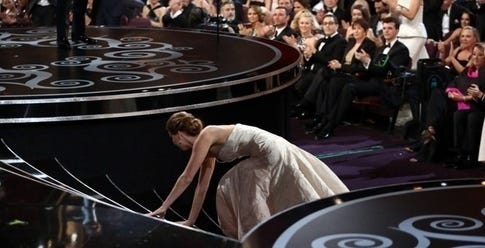
First comes credibility > then vulnerability
The more relatable, a leader, the more trust they gain from their audience. So it is every leader/ celebrity’s attribute to show their vulnerable side to their audience to gain trust and followers.
But when they make major repeated mistakes, trust seems to fall.
If you're too perfect, you will feel robotic. In all professions, experts use this method to create engineered reliability so that the audience always feels connected and puts their trust in them.
Perfection is a barrier. Whereas a Mistake is a bridge.